Buying guide
A Guide to Supportive Slippers
What actually makes a slipper supportive — arch support, heel cups, cushioning and soles — and how to shop for one.
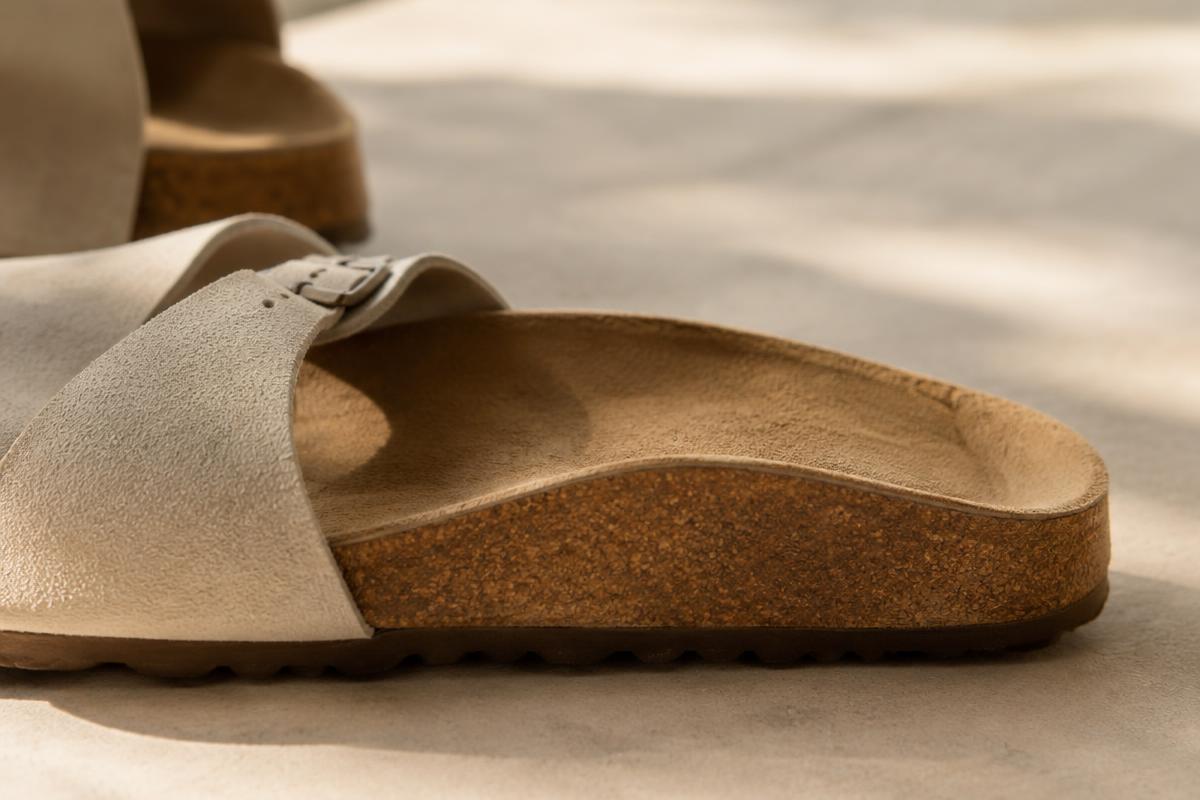
Many of us spend more time at home than ever, and that means more hours on hard floors in soft, flat slippers. If your feet, heels or lower back ache at the end of the day, a more supportive slipper may help. Here's what "supportive" actually means and how to spot it when you shop.
Cushioning is not the same as support
Plush memory foam feels great the moment you put it on, but softness alone doesn't hold your foot in a healthy position. Support comes from structure: a shaped footbed, a firm heel and a sole that doesn't fold in half. The best supportive slippers combine a comfortable top layer with a firmer base underneath.
What to look for
A contoured footbed with arch support
A footbed shaped to the curve of your foot spreads pressure across the whole sole instead of concentrating it on the heel and ball. Look for terms like "contoured," "arch support" or "orthotic-style" in the product description.
A firm heel cup
A deep, structured heel keeps your foot from rolling side to side. Closed-back slippers and clogs usually do this better than open-backed scuffs.
A sole with some stiffness
Try the twist test: hold the slipper at both ends and twist. A supportive slipper resists a little and bends mainly at the toe, where your foot naturally flexes, not in the middle.
A secure fit
If a slipper slides around, your toes grip to keep it on, which can cause strain. Choose a snug closed-back style or one with an adjustable strap.
A grippy outsole
A rubber, non-slip sole matters for stability, especially on smooth floors and stairs.
Who benefits most
Supportive slippers are worth a look if you:
- Stand or walk a lot at home: cooking, cleaning, working at a standing desk
- Notice heel or arch discomfort first thing in the morning
- Usually wear supportive shoes or orthotics outside and feel the difference when you go barefoot
- Are buying for an older family member who wants stability and a secure fit
Shopping tips
- Read the product description for specifics (arch support, heel cup, rubber sole) rather than relying on words like "comfy."
- Check retailer reviews for comments about support and how the footbed holds up over time. Memory foam can flatten.
- If you use custom orthotics, look for slippers with a removable insole so you can swap them in.
When to talk to a professional
This guide is general information, not medical advice. If you have ongoing foot, heel or joint pain, diabetes, or a diagnosed foot condition, talk to a podiatrist or doctor before choosing footwear. They can recommend the right level of support for you.
Looking for a pair? Browse our full slipper collection or read How to Choose the Right Slippers.